Growing grass in Stardew Valley is straightforward once you understand the core mechanic: grass spreads on its own every day, but only if you set it up correctly. Plant a Grass Starter on tillable soil outside, give it open space to spread into, keep paths and objects out of the way, and the patch will slowly expand across your farm. The problems show up when players place starters in the wrong spot, fence off too much, or try to grow grass in Winter. This guide covers exactly how grass works, how to speed it up, and what to fix when it refuses to spread.
How to Grow Grass in Stardew Valley Fast: Guide
Marcus Tillwell
17 Apr 2026
Grass growth basics: where it comes from and how to plant it
Grass Starters are the foundation. You can buy them from Pierre's General Store, craft them yourself for 10 Fiber each (a crafting recipe added in version 1.4), or pick them up from Marnie at the Desert Festival for 2 Calico Eggs each. Once you have one, place it outside on any tillable soil tile on your farm. That's it. The starter will take root and become a source tile that can spread to neighboring tiles each day.
One important rule upfront: Grass Starters placed inside farm buildings won't grow or spread. You can technically put one in a barn or coop, and animals won't eat it, but it just sits there and can still be scythed into Hay. For actual grass production, everything needs to happen outside. This trips up a lot of players who place starters inside thinking their animals will benefit. They won't.
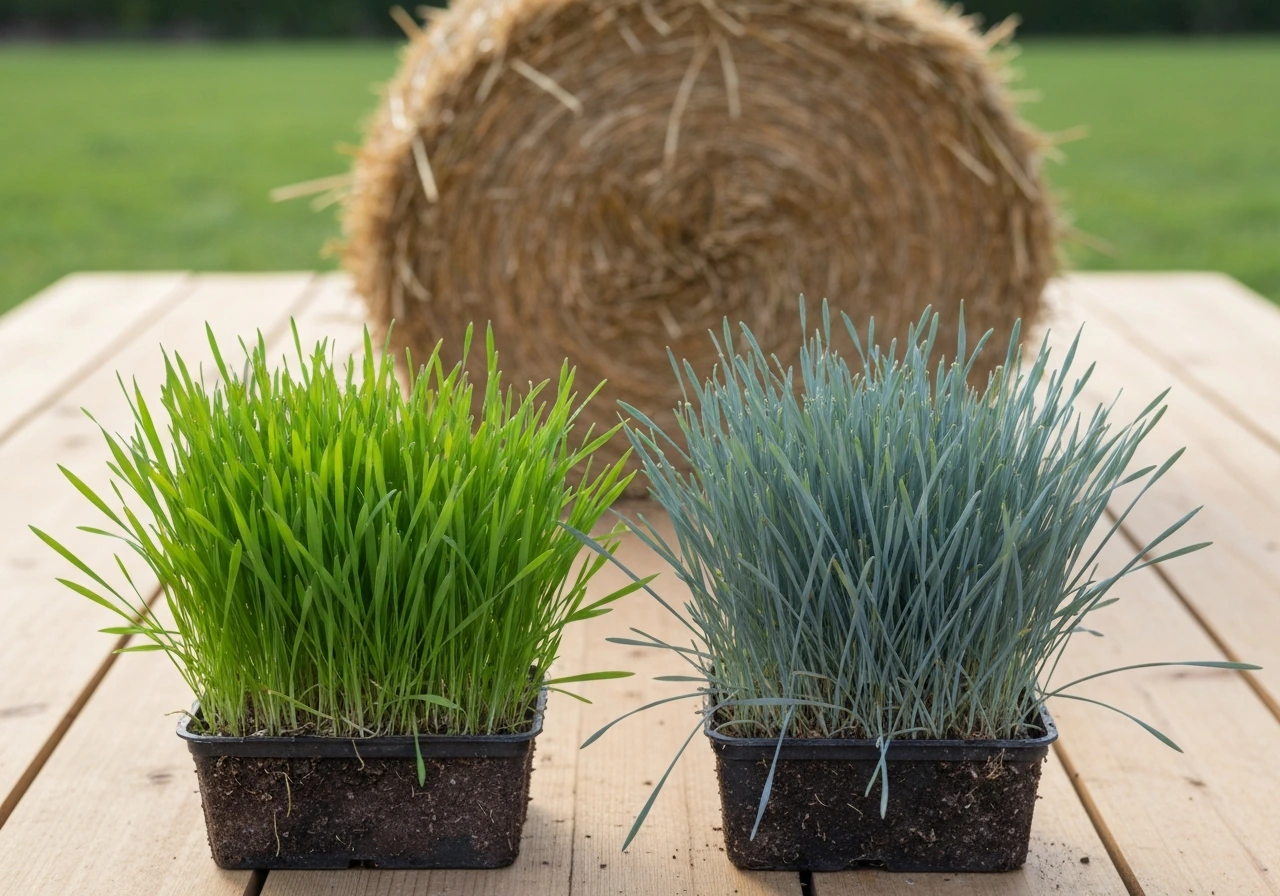
If you're playing on a Meadowlands farm, you already start with Blue Grass, which is its own variant. For every other farm type, you need to buy a Blue Grass Starter recipe if you want blue grass specifically. Blue grass is slightly more efficient because animals eat half the tufts compared to normal grass, and scything it gives you two pieces of Hay instead of one. That said, normal grass is easier to get going and works perfectly for feeding animals.
Getting grass to spread: placement, space, and timing
Here's how the spread mechanic actually works under the hood. Each grass tile is made up of 4 tufts. Every day, each individual tile gets a 65% chance of a growth check. If the tile has fewer than 4 tufts and passes that check, it grows 0 to 2 additional tufts. Once a tile is fully grown (all 4 tufts), passing a growth check triggers a second step: the game looks at all 4 adjacent tiles and gives each one a 25% chance for 1 to 2 new tufts to sprout there. That's how grass spreads outward, one tile at a time.
The critical constraint here is that grass only spreads to tillable soil. It will not naturally spread onto the green decorative grassy tiles that already exist on parts of your farm map. So if you're wondering why grass seems to stop at a certain point, that's likely why. The target tiles have to be bare, tillable dirt, not pre-existing green patches.
For placement, think in clusters rather than isolated single starters. One starter in an open field will spread very slowly because the spread probability (25% per adjacent tile per day) is applied one tile at a time. Planting several starters spaced a few tiles apart gives you multiple source tiles working simultaneously, which dramatically increases the number of daily spread attempts happening across your farm.
How to grow grass faster
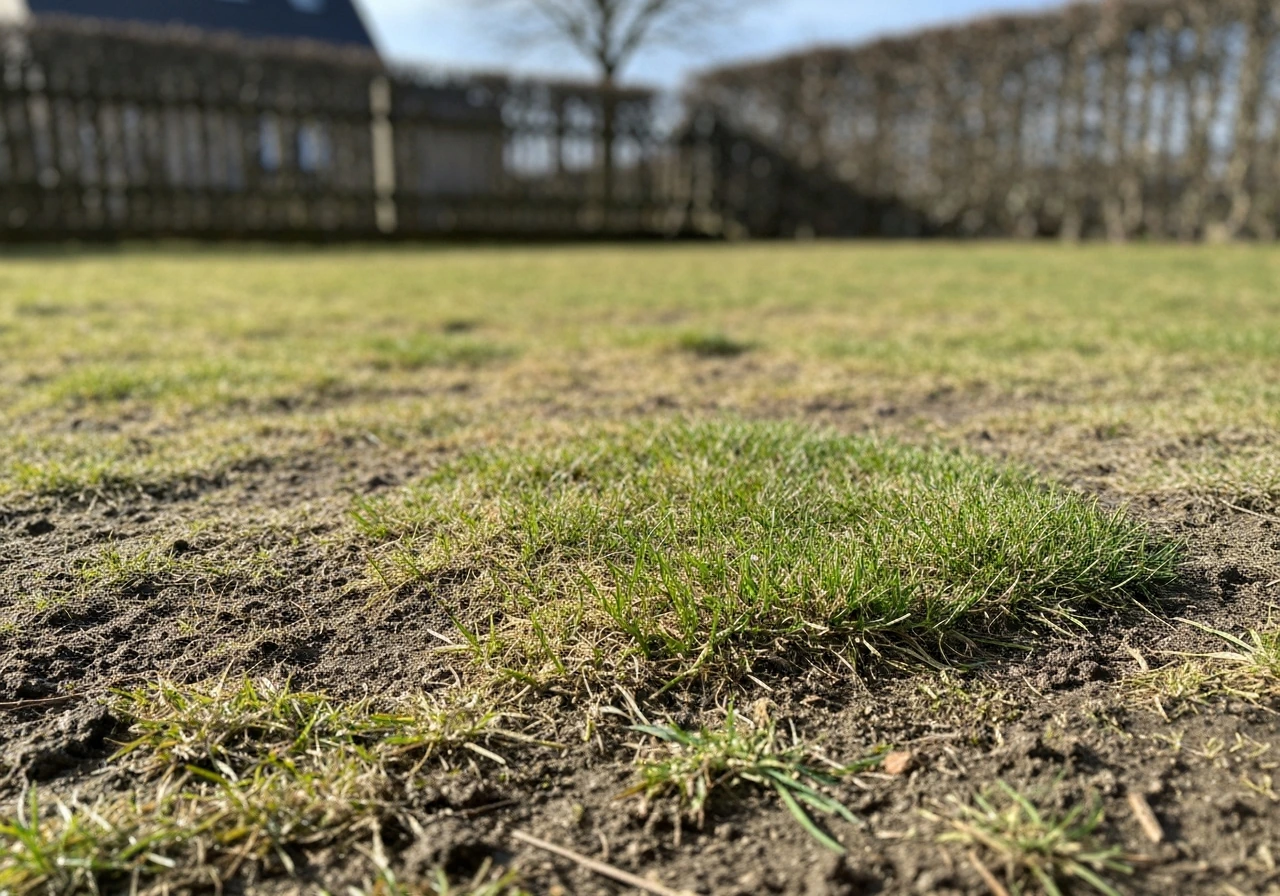
The fastest way to build up grass quickly is to plant multiple Grass Starters across your target area at the start of Spring and then leave those tiles completely alone. The math is simple: more source tiles means more daily spread checks, and more spread checks means faster coverage. If you drop 10 starters across a large pasture area, you'll have a dense patch far sooner than if you planted just 2 or 3.
One powerful trick involves Winter 28. If you leave grass on your farm on the last day of Winter without exiting the game, those grass patches will multiply up to 40 times each when Spring 1 arrives. That's a massive head start on the new growing season. Combine that with the fact that Spring 1 in Year 2 and beyond also runs 40 growth check iterations on all existing grass tiles, and you've got a recipe for explosive early-season coverage. If you're serious about maximizing your pasture, plan around these two dates.
Another layout strategy worth using: fence off a section of your pasture specifically as a grass reserve. Animals will eat any accessible grass, which constantly depletes your source tiles. If you section off part of the pasture with a fence so animals can't reach it, those tiles keep regrowing and spreading without being consumed. You then manage the open area for feeding while the fenced section acts as a permanent growth engine.
It's also worth noting that grass comes with a movement speed penalty of -1 while you're walking through it. After reading the book Ol' Slitherlegs, that penalty reduces to -0.33, which makes it easier to manage large grass patches without constantly getting slowed down as you work your farm.
Common mistakes that slow grass growth
The number one mistake is placing objects between grass tiles. Paths, fences, closed gates, furniture like chests or braziers, and any other farm object block grass spread through the tile they occupy. So if you have a winding path cutting through your pasture, grass on one side will never spread to the other side through those path tiles. This is one of the sneakiest problems because the grass looks healthy and full, but the path is acting as a hard wall.
The second big mistake is trying to grow grass during Winter. blank" rel="noopener noreferrer">Grass remains on your farm through the Winter season, but it does not spread at all. No growth checks happen, no new tufts form, and no adjacent tiles get colonized. If you plant Grass Starters in the Fall hoping they'll spread through Winter, nothing will happen until Spring arrives. Grass won’t grow or spread again until Winter is over, meaning it becomes active again in Spring blank" rel="noopener noreferrer">nothing will happen until Spring arrives. Save your starters and plan to plant them in Spring or Summer.
- Placing Grass Starters inside buildings: they won't spread or grow indoors
- Planting on green grassy tiles instead of tillable soil: grass only spreads to tillable tiles
- Too many paths through your pasture: each one blocks spread through that tile
- Letting animals roam all available grass with no reserve section: they eat it faster than it regrows
- Planting in Winter: grass doesn't spread until Spring 1
- Only planting one or two starters: too few source tiles for meaningful spread speed
Weeds are another underappreciated problem. Weeds spread to adjacent tillable tiles and can do so aggressively, especially on the first day of each season and during Summer. Since weeds compete for the same tillable tiles your grass needs, an unchecked weed problem can crowd out your pasture. The useful quirk here is that existing grass actually blocks weed spread, so a dense grass patch protects itself. Sparse or new patches are vulnerable, so clear weeds early and often when you're establishing a new grass area.
Optimizing for your farm setup
Season planning matters a lot. Spring is your best window to establish grass because you get the Spring 1 multi-iteration growth boost in Year 2 and beyond, and you have three full seasons ahead before Winter hits. Fall is the riskiest time to start a new patch because you only have until Winter 1 before spreading stops entirely. If you're starting fresh in Fall, plant as many starters as you can afford right at the start of the season and focus on building density quickly.
For farm layout, the key is treating your tillable soil like a resource. Don't pave over more than you need to. Every path tile you place is a permanent blocker for grass spread. If you've already built a path-heavy farm and you're struggling to get grass to cover your pasture, consider removing sections of path around your animal areas to open up more tillable soil for spreading.
If you want to see how other games approach similar mechanics, it's worth knowing that grass growth systems appear across many survival and farming titles. For example, how to grow grass in Valheim follows a completely different set of rules tied to biome conditions, which is a good reminder of how much these systems vary by game. Similarly, growing grass in Raft involves resource loops that don't map to Stardew at all. And if you've ever tried growing grass in Don't Starve, you know how punishing wrong placement can be in survival games. Stardew is much more forgiving, but placement logic still matters.
Blue Grass is worth considering if you're running a large animal operation. Since animals eat half as many tufts of Blue Grass compared to normal grass, your pasture stays productive longer between growing cycles. If you can get the Blue Grass Starter recipe and you're not on a Meadowlands farm, it's a genuine upgrade for efficiency. You'll also get double the Hay when scything it, which matters if you're trying to stockpile for Winter feeding.
Normal grass vs. Blue Grass: which is worth growing
| Feature | Normal Grass | Blue Grass |
|---|---|---|
| Availability | Craft (10 Fiber) or buy from Pierre | Meadowlands farm start or purchased recipe |
| Hay per scythe cut | 1 piece | 2 pieces |
| Animal consumption | Full tufts eaten | Half tufts eaten vs. normal |
| Spread mechanics | Same daily spread rules | Same daily spread rules |
| Best for | Any farm, easy to establish | Large animal operations, efficiency focus |
Quick-start checklist for a new grass patch
- Craft or buy at least 6 to 10 Grass Starters for a meaningful starting patch
- Choose an open area of bare tillable soil, not green grassy tiles
- Plant starters spread across the area, not clustered in one spot
- Remove any paths or objects between starters that would block spread
- Clear any nearby weeds immediately so they don't compete for tillable tiles
- Fence off a reserve section so animals can't eat your source tiles
- If it's late Fall, maximize starters planted and plan to rebuild in Spring
- Aim for Spring 1 planting to take advantage of the multi-iteration growth boost
Grass management in Stardew Valley rewards a bit of planning upfront but doesn't require constant attention once you've got a solid patch established. The spread system does the work for you as long as you've removed the blockers, given it enough open tillable soil, and stayed out of Winter. Set it up right once and your pasture will keep growing on its own season after season. Other farming game communities deal with similar questions, like players figuring out how to grow long grass in ARK or even older titles like growing grass in Animal Crossing Wild World, but the Stardew system is one of the more manageable ones once the underlying rules click. And if you're ever curious about real-world grass varieties like star grass, the cultivation logic there is obviously very different, but the patience required is surprisingly similar.
FAQ
Why did my grass stop spreading even though the area looks open?
Not if it is being blocked. Grass only spreads through tiles that are tillable soil. If your grass seems to “run out,” check for any non-tillable tiles, paths, fences, gates (even closed), furniture, or decorative objects sitting between the two areas, because they act like barriers.
If I place Grass Starters in Fall, will they keep spreading through Winter?
No, placing a Grass Starter in Winter will not start a spread process during that season. It may sit there, but it will not run growth checks or create new tufts until growth resumes in Spring. Best practice is to place starters right at the start of Spring (or Summer, if you are out of Spring time).
Is Blue Grass better for spreading, or only for feeding?
Blue Grass and normal grass both work for spreading, but only Blue Grass has the reduced-eating and better scything yield traits. On non-Meadowlands farms, you must get the Blue Grass Starter recipe first if you want Blue Grass specifically, otherwise you will just grow normal grass from standard starters.
Do animals slow down grass growth if I leave them in the pasture?
Grass spreading is not influenced by where your animals are standing outside the fenced area, but animals do matter indirectly. If animals can reach your grass tiles, they will eat tufts faster than they would otherwise grow, which keeps your spread patch from reaching full tuft density. Fencing a reserve area prevents that consumption.
What happens to an established grass patch in Winter, and does it affect Spring results?
Grass continues to exist across seasons, but it does not generate new growth in Winter. That means any “boost” you plan for relies on what is already established by the end of Winter, and the big early-season effect comes from leaving grass on the last day of Winter without exiting.
What is the fastest layout for planting grass starters?
If you want to speed up coverage, clusters beat single tiles. Planting many starters across the same general pasture gives you multiple source tiles running daily checks, while isolated starters require waiting longer for the 25% adjacent spread step to progress tile by tile.
How do I fix a grass patch that’s growing slowly without wasting starter resources?
You generally should not delete grass tiles to fix slow growth, because dense existing grass also helps stabilize itself by blocking weed spread. Instead, focus on removing weeds in and around sparse edges, and clear any blockers like paths or objects that prevent adjacency from working.
Why do weeds keep ruining my new grass area?
New weeds can crowd out young grass because both compete for the same tillable tiles, and weeds spread aggressively early in seasons (especially Summer). Clear weeds frequently while the grass patch is still sparse, then you can rely more on the grass coverage to reduce further weed pressure.
Does grass affect how fast I move, and does it change after reading Ol' Slitherlegs?
Yes, movement speed is affected by how much you traverse the patch, and it can change your effectiveness for farm management. Reading Ol' Slitherlegs reduces the penalty in grass from -1 to -0.33, which makes it easier to work around and manage large pasture regions.
I have grass on one side of my pasture but not the other, what should I check first?
Try a “blocker audit” along the exact boundary where grass stops. Walk your farm perimeter and look for any tile you placed that is not tillable soil, especially paths, closed gates, fencing segments, and placed objects like chests or braziers, because even a single occupied tile can prevent spread across that point.
Is it ever worth starting a new grass patch in Fall?
Fall is risky because spread stops entirely when Winter begins, so you have less time for tiles to reach full tuft density and then seed neighbors. If you start in Fall anyway, plant as many starters as you can afford at the start of the season, so you enter Winter with a denser base for Spring to expand from.
Next Article
How to Grow Grass in El Paso TX: Seed, Plant, and Care
Step-by-step guide to grow grass in El Paso: pick Bermuda, Zoysia or fescue, prepare soil, seed timing, watering, fixes.